

A home does not need to be large, perfectly decorated or endlessly organised to feel peaceful.
Sometimes sanctuary is created through much simpler things: the light coming through a window in the morning, the smell of something cooking, a favourite chair, a few plants, or the quiet ritual of making herbal tea at the end of the day.
A home sanctuary is not about creating a picture-perfect space.
It is about creating a space that allows you to soften into yourself and breathe.
Sometimes, the simplest moments hold the deepest wisdom. Let your thoughts settle, and clarity will find you.
Begin with what you already have
Before buying anything new, take a quiet look around your home.
What makes you feel comfortable here?
What feels calming?
What feels unnecessarily busy?
We often imagine that creating a peaceful home requires adding things — new furniture, new storage, new decorations.
Sometimes the opposite is true.
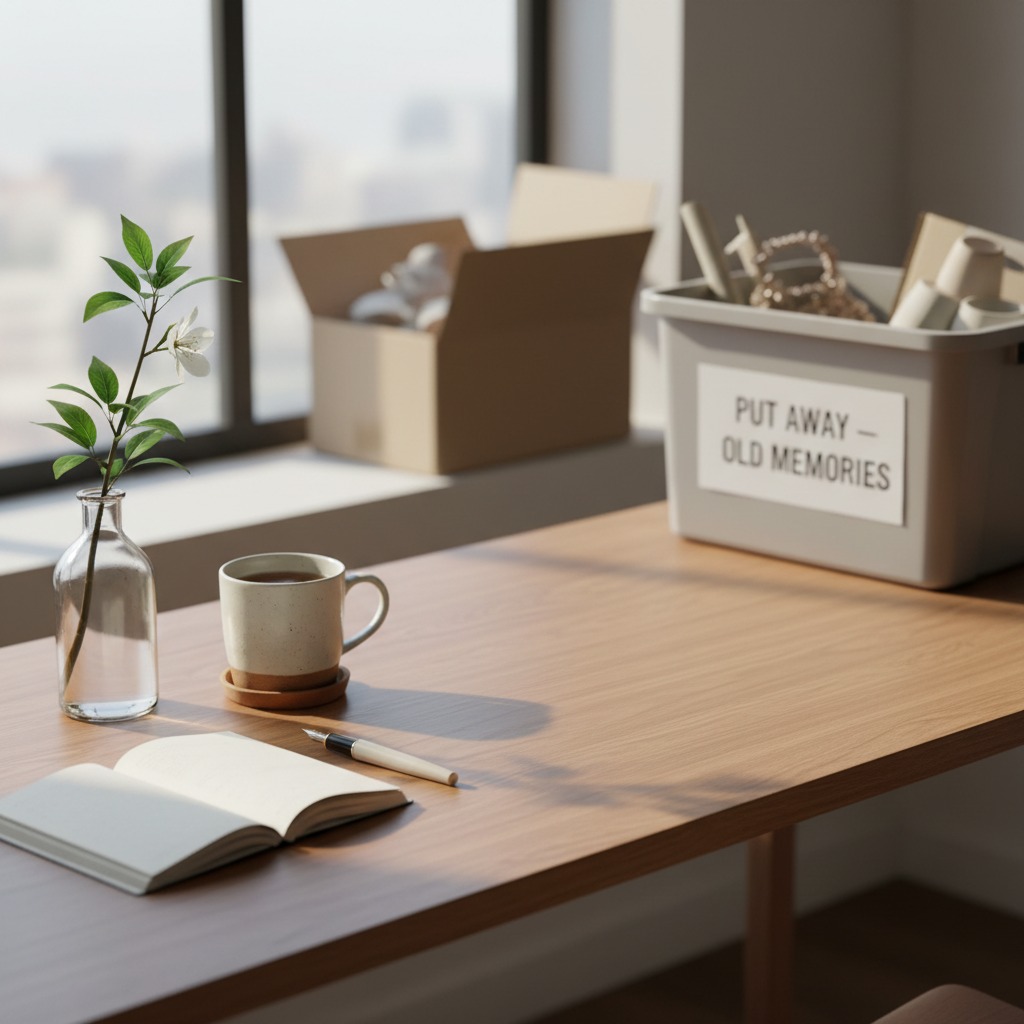
Removing a few things that carry charged memories or negative emotions can create more space for the things that matter.
Clear a surface. Put away what you no longer use. Let a favourite object have room to be seen.
A calmer home often begins with less visual noise.
Let nature into the room
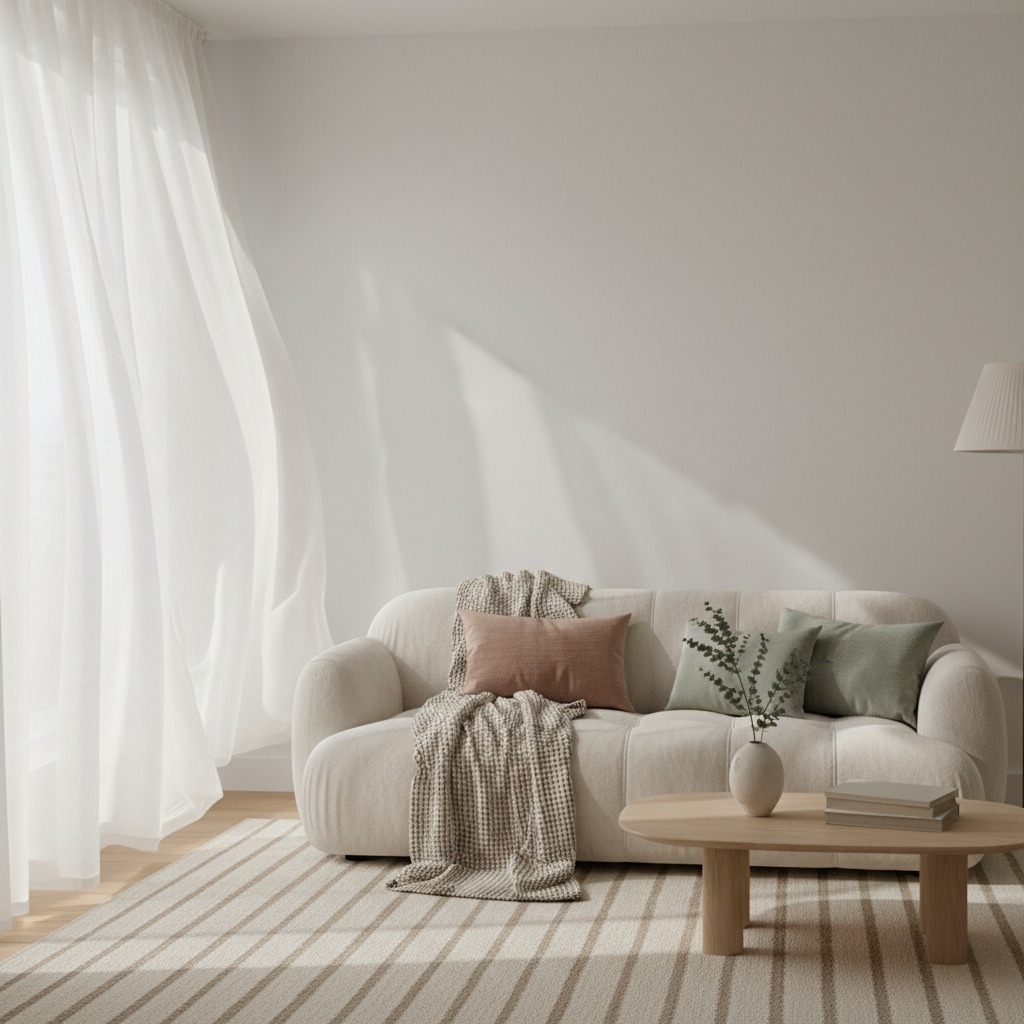
Plants, flowers, herbs, wood, stone and natural fabrics can all bring a sense of connection with the natural world.
You don’t need to turn your home into an indoor garden.
A small vase of seasonal branches can be enough.
A pot of rosemary on a windowsill.
A bowl of pinecones collected on a walk.
Fresh flowers from a local market.
Even opening a window and allowing fresh air into the room can change its atmosphere.
Nature does not need to be elaborate.
It simply needs to be noticed.
Create small places for rest
Consider the places where you naturally pause during the day.
Could one of them become a small sanctuary?
A chair beside a window.
A corner with a reading lamp.
A tray for tea.
A soft blanket at the end of the sofa.
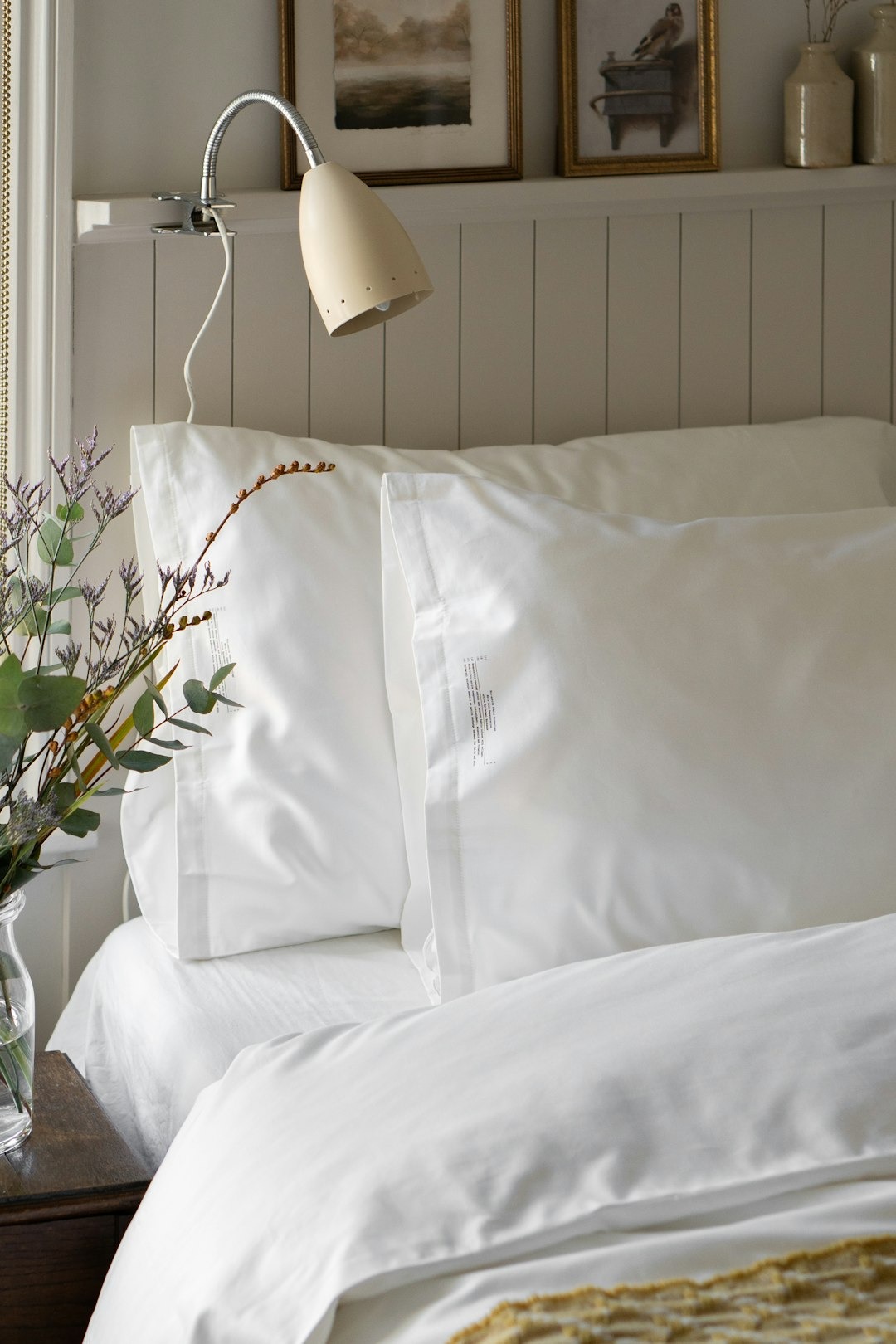
A bedside table kept intentionally clear.
These little spaces give rest somewhere to happen.
And they can become associated with simple rituals.
A book in the reading corner.
Tea in the afternoon.
A few minutes of quiet before sleep.
The space begins to support the habit.
Choose materials with care
A sustainable home is not necessarily one filled with expensive eco-friendly products.
Often, sustainability begins with buying less and choosing things that can last.
Repair something rather than immediately replacing it.
Choose natural materials when they make sense for your home.
Reuse jars and containers.
Wash and care for textiles properly.
Choose quality over quantity when you can.
There is something comforting about living with objects that have a history and will remain useful for years.
A home can be beautiful without constantly consuming more.
Make the everyday feel special
Perhaps the most important part of creating a home sanctuary is changing the way we experience ordinary activities.
Cooking dinner can become a ritual.
Making the bed can become a quiet beginning to the day.
Opening the curtains can be a moment to notice the morning.
Lighting a candle can mark the transition from work to evening.
Tidying the kitchen can become the gentle closing of the day.
None of these things are extraordinary.
But attention can make them feel that way.
Create a home that reflects your rhythm
There is no universal formula for a peaceful home.
Some people need empty surfaces and quiet colours.
Others feel happiest surrounded by books, plants, photographs and collected treasures.
A sanctuary should not look like somebody else’s idea of peace.
It should feel like yours.
Ask yourself:
What helps me rest?
What helps me feel grounded?
What do I want to see when I wake up?
What do I want to experience when I return home?
The answers are often more useful than any decorating trend.
A home as a place to return to
Home does not need to be perfect.
It simply needs to offer somewhere to return to.
A place where the day can soften.
Where food can be prepared, tea can be brewed, books can be opened and conversations can linger.
A place that reminds us that life is not only made up of things we accomplish.
It is also made up of the moments in between.
Create a little space for those moments.
Make room for quiet.
Bring in something living.
Keep what you love close.
And let your home become, in its own quiet way, a place of restoration.
Leave a Reply