

Long before herbs were neatly packaged into jars and arranged on kitchen shelves, people learned about plants by paying attention.
They noticed which leaves appeared in spring, which flowers attracted bees, which berries ripened in autumn, and which plants were traditionally gathered for food, fragrance, dyes and household remedies.
This relationship with plants was practical, but it was also deeply connected to place.
To know the plants around you was, in a way, to know your landscape.
Today, we can walk into a shop and find almost any herb at any time of year.
Yet there is something quietly rewarding about slowing down and becoming curious about the plants growing around us.
The wisdom of botanicals can be experienced every day, in simple ways
Beginning with curiosity
You don’t need to be a botanist to begin.
Start with one plant.
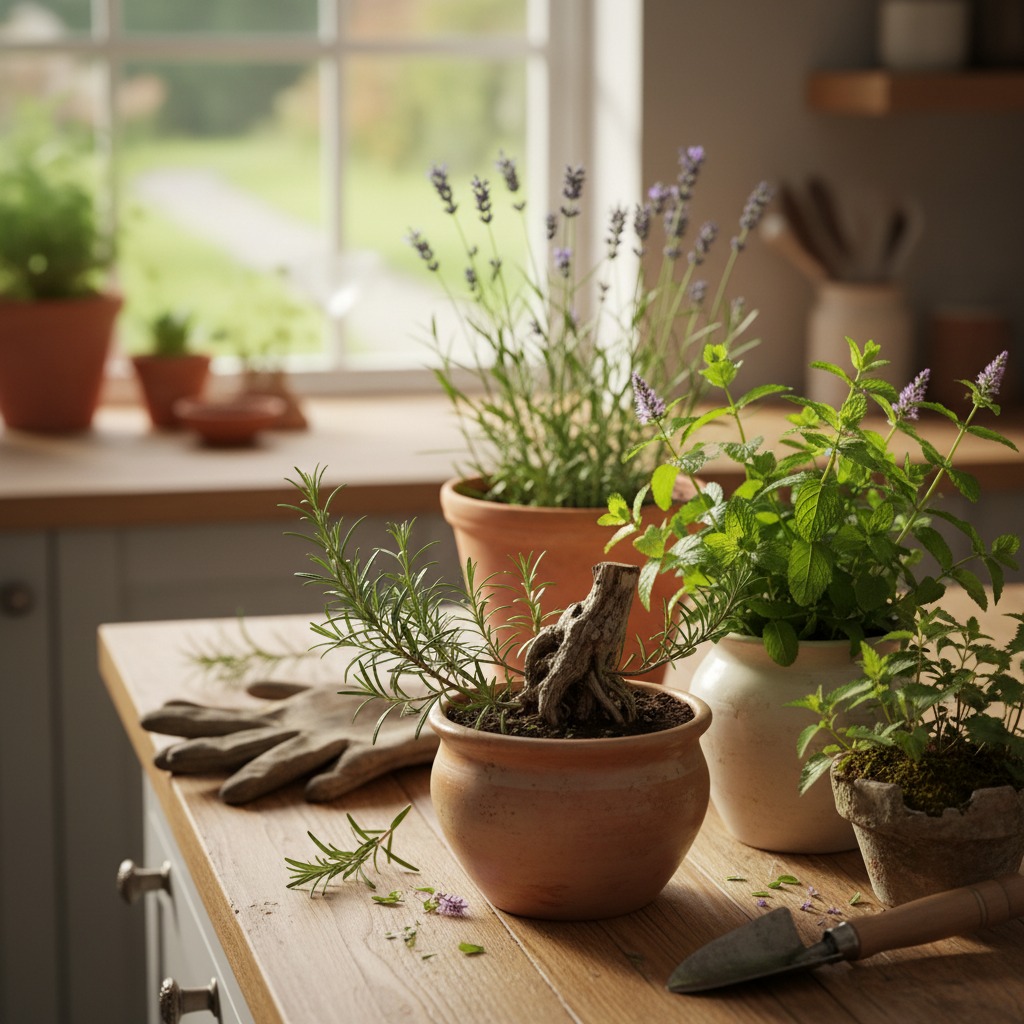
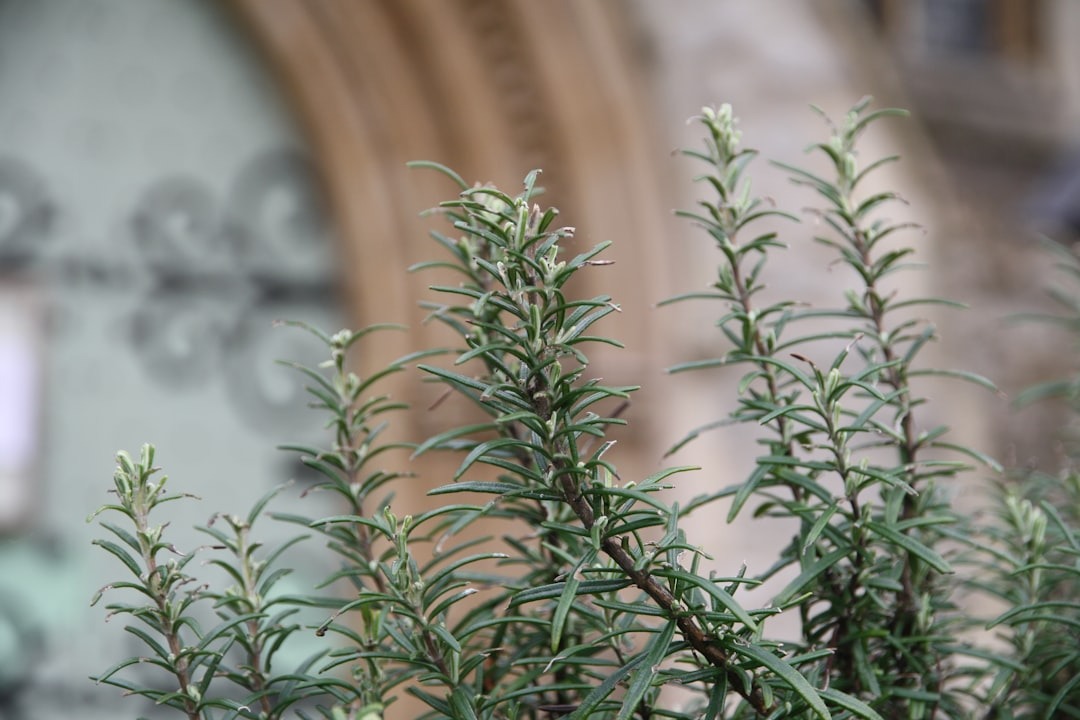
Perhaps there is rosemary growing in a pot outside your kitchen. Maybe you have mint in the garden, lavender near a path, or nettles growing somewhere nearby.
Look closely.
What does the leaf feel like?
What does it smell like when gently rubbed?
When does the plant flower?
What insects visit it?
How does it change as the seasons pass?
The more closely we observe plants, the more interesting they become.
Plants have stories
Every botanical has a relationship with people and place.
Herbs have been used across cultures for cooking, fragrance, cosmetics, crafts and traditional household practices.
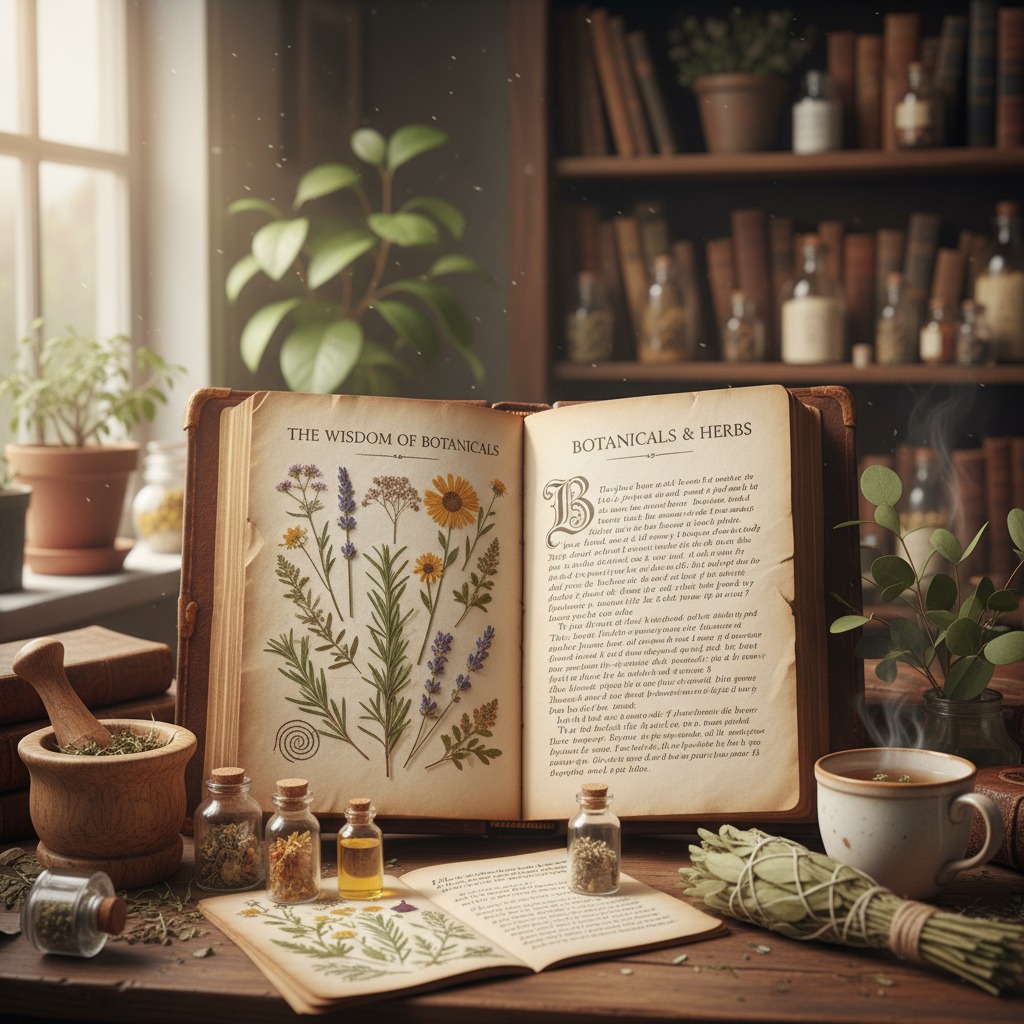
Rosemary, for example, has a long history as a culinary and aromatic herb. Lavender has been valued for its fragrance and traditional uses. Mint has been grown and enjoyed for generations in kitchens and tea traditions around the world.
These stories remind us that plants are not simply ingredients.
They are part of human history.
They connect gardens with kitchens, landscapes with traditions, and generations with one another.
The seasonal garden
Plants also teach us about patience.
A seed cannot be hurried into becoming a mature plant.
Leaves emerge when conditions are right.
Flowers appear in their own time.
Fruit ripens gradually.
There is a rhythm to growing that is completely indifferent to our schedules.
Spending time around plants can be a gentle reminder that not everything needs to happen immediately.
The garden has its own pace.
Perhaps we can learn something from it.
Bringing botanicals into everyday life
There are many simple ways to bring plants into daily rituals.
Grow herbs on a windowsill.
Dry a few flowers.
Add fresh herbs to a meal.
Make a simple herbal infusion using ingredients you know are appropriate for culinary use.
Keep a small botanical journal.
Photograph plants as they change through the seasons.
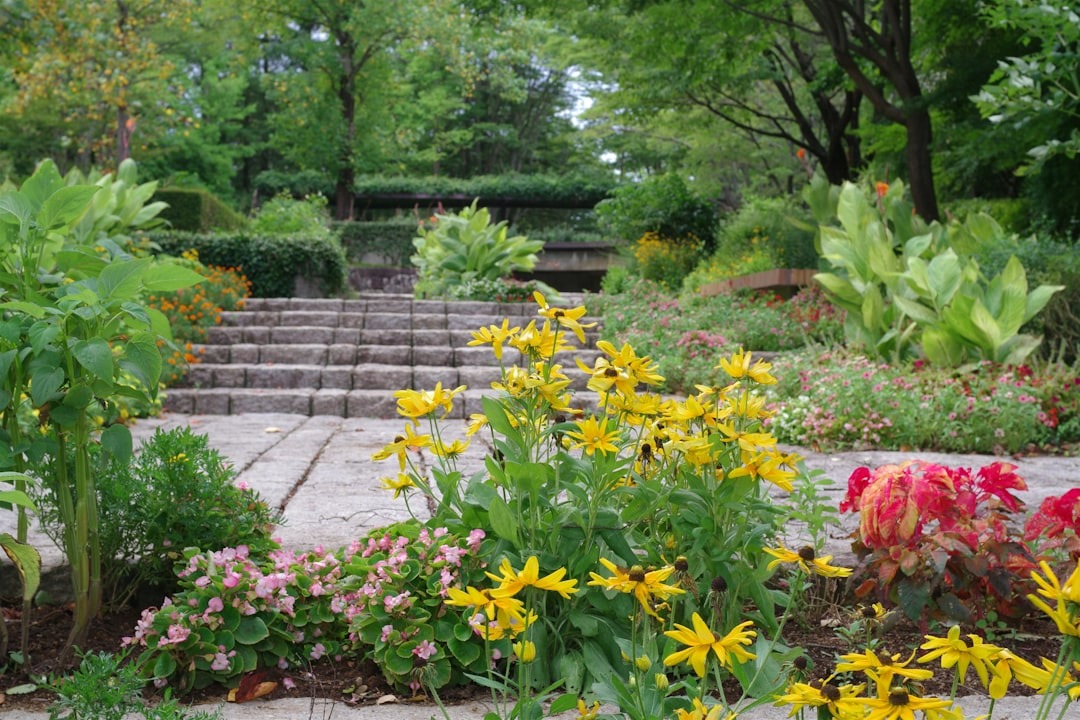
Visit a botanical garden or woodland and pay attention to what is growing around you.
None of these activities need to become complicated.
They are simply ways of becoming more observant.
A note about herbal remedies
The world of herbal medicine is fascinating, but it is also one where a little care and humility are important.
Natural does not automatically mean harmless, and plants can interact with medicines, medical conditions and other substances.
Traditional use is not the same thing as proven medical effectiveness.
When exploring herbs for therapeutic purposes, it is worth consulting reliable sources and seeking advice from an appropriately qualified healthcare or herbal professional where necessary.
Curiosity is a wonderful place to begin.
But curiosity and care can belong together.
Learning to look more closely
Perhaps the greatest gift of botanicals is not any single herb or remedy.
It is the invitation to pay attention.
To notice the plant growing beside the path.
To recognise the changing shape of a leaf.
To smell rosemary on your hands after brushing past it.
To notice when the first flowers appear.
To understand that the landscape around us is alive with relationships we may usually overlook.
Plants ask very little of us.
They simply grow.
And when we slow down enough to notice them, they can make the world feel a little larger, richer and more connected.
Perhaps that is part of their quiet wisdom.
Not that every plant has an answer for us.
But that paying attention to them teaches us how to look.
And sometimes, looking more closely is where everything begins.
Leave a Reply